
Lincoln County Process Explained: History, Innovation, and the Enslaved Distillers Who Shaped Tennessee Whiskey
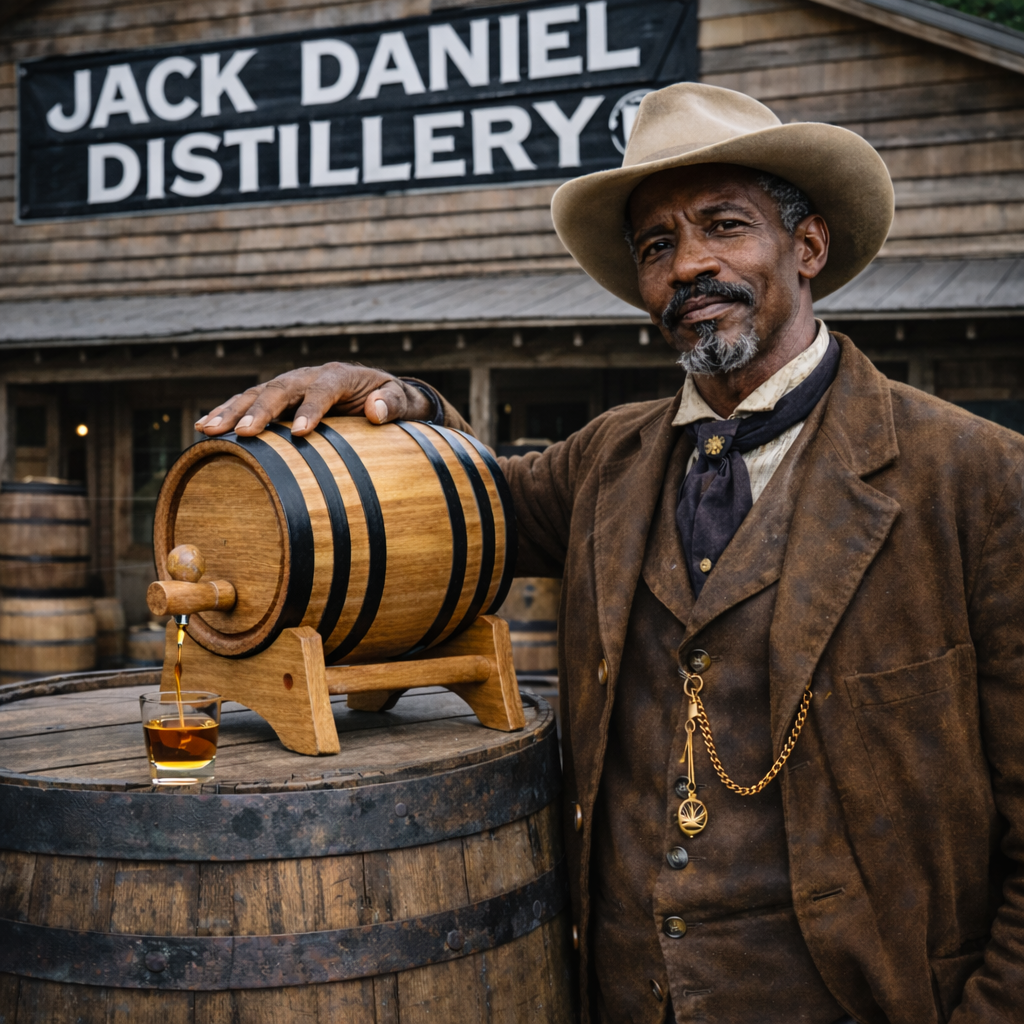
When people search for “Lincoln County Process explained,” they usually want to understand what makes Tennessee whiskey different from bourbon.
The short answer: charcoal mellowing.
But the full story is deeper — and more important.
The Lincoln County Process is not just a technical filtration method. It is part of a complex American history that includes innovation, frontier distilling traditions, and the largely uncredited labor and expertise of enslaved African American distillers who helped shape early American whiskey production.
To truly explain the Lincoln County Process, we must talk about both the science and the people behind it.
What Is the Lincoln County Process?
The Lincoln County Process is a charcoal mellowing method used in the production of Tennessee whiskey. Before aging in new charred oak barrels, newly distilled spirit is filtered through sugar maple charcoal.
This step:
-
Removes certain impurities
-
Softens harsh alcohol notes
-
Contributes to Tennessee whiskey’s smooth texture
-
Creates subtle flavor refinement
Under Tennessee law, charcoal mellowing is required for a whiskey to be labeled “Tennessee Whiskey.”
Unlike bourbon, which goes straight into the barrel after distillation, Tennessee whiskey undergoes this extra step before aging.
The Historical Origins of the Lincoln County Process
The process is believed to have originated in early 19th-century Tennessee — specifically Lincoln County — hence the name.
Frontier distillers needed ways to refine raw spirits. Charcoal filtration was already known in various forms around the world. However, its systematic application in Tennessee whiskey production became a defining regional practice.
But here’s where the story becomes more nuanced.
Early Southern distilleries relied heavily on enslaved labor. Enslaved African Americans were not simply manual workers — many were highly skilled distillers, coopers (barrel makers), charcoal producers, and fermentation specialists.
Recent scholarship and documented oral histories have made it clear that enslaved distillers played a significant role in developing and refining early American whiskey production techniques — including charcoal mellowing methods.
The Role of Enslaved Distillers in Early Tennessee Whiskey
One of the most well-documented examples is Nathan “Nearest” Green, an enslaved African American distiller in Tennessee during the mid-1800s.
Green was recognized as an expert in whiskey distillation and charcoal filtration. Historical accounts and modern research indicate that he taught techniques to other distillers in Tennessee, including those who would later become famous whiskey producers.
While the exact origin of the Lincoln County Process cannot be credited to a single individual, it is widely acknowledged that enslaved distillers were central to refining the charcoal mellowing technique.
Their contributions included:
-
Controlling fermentation temperatures
-
Managing copper still operation
-
Producing consistent sugar maple charcoal
-
Overseeing charcoal filtration methods
-
Monitoring barrel aging
For decades, their expertise went uncredited in mainstream whiskey history. Today, historians and distilleries are increasingly recognizing this legacy.
Understanding the Lincoln County Process requires acknowledging that it emerged from a system that relied on enslaved labor and Black craftsmanship.
How the Lincoln County Process Works
Now let’s examine the technical process itself.
Step 1: Distillation
Like bourbon, Tennessee whiskey begins with a mash bill containing at least 51% corn. Rye and malted barley are typically included for spice and enzyme conversion.
The mash is fermented and distilled into new make spirit.
Step 2: Sugar Maple Charcoal Production
Sugar maple wood is burned to create charcoal. This charcoal is then crushed or stacked into filtration vats.
The use of sugar maple is traditional to Tennessee and produces a consistent carbon structure suitable for filtration.
Step 3: Charcoal Mellowing
The new make spirit is slowly filtered through several feet of sugar maple charcoal.
This slow drip can take days.
As the spirit moves through the charcoal, certain compounds bind to the carbon surface. This process is called adsorption (not absorption).
It reduces harsh fusel oils and sulfur compounds while preserving flavor character.
Step 4: Barrel Aging
After filtration, the whiskey enters new charred American oak barrels.
Aging contributes:
-
Caramel
-
Vanilla
-
Toasted oak
-
Color
-
Structure
-
Spice
The charcoal step softens the spirit before the barrel deepens it.
What Charcoal Mellowing Actually Changes
The Lincoln County Process does not dramatically alter flavor like peat smoke in Scotch whisky. Instead, it affects texture and refinement.
It creates:
-
Smoother mouthfeel
-
Reduced alcohol burn
-
Balanced sweetness
-
Gentle maple undertones
-
Subtle charcoal nuance
Many describe Tennessee whiskey as “rounder” and “softer” compared to some bourbons.
Lincoln County Process vs Bourbon: Key Differences
Many ask whether Tennessee whiskey is just bourbon made in Tennessee.
Legally and technically, Tennessee whiskey meets all federal bourbon requirements:
-
At least 51% corn
-
Distilled below 160 proof
-
Aged in new charred oak barrels
-
Made in the United States
However, Tennessee whiskey must also undergo charcoal mellowing.
That additional step defines its regional identity.
Why the History Matters
For generations, the narrative of American whiskey centered almost exclusively on white distillers and brand founders.
Modern historical research has corrected that incomplete story.
Enslaved African Americans were not merely laborers — they were master distillers whose knowledge shaped production methods.
Acknowledging their role is not about rewriting history. It’s about completing it.
The Lincoln County Process evolved within a system that depended on enslaved expertise.
Understanding that reality adds depth to the story of Tennessee whiskey.
The Science Behind Charcoal Filtration
Charcoal filtration works through surface chemistry.
Activated carbon contains millions of microscopic pores. These pores trap specific organic compounds as liquid passes through.
In whiskey production, charcoal mellowing:
-
Reduces certain volatile compounds
-
Minimizes sulfur notes
-
Softens perceived sharpness
-
Enhances perceived smoothness
The slower the filtration, the more contact time the spirit has with the charcoal.
Early distillers — including enslaved craftsmen — learned to control this rate carefully.
Can You Replicate the Lincoln County Process at Home?
While commercial-scale sugar maple vats aren’t practical for most people, enthusiasts can experiment with charcoal filtration before barrel aging.
When using an oak barrel aging kit, some hobbyists:
-
Filter neutral spirits through food-grade charcoal.
-
Allow the spirit to rest.
-
Transfer to a charred oak barrel.
-
Monitor flavor weekly.
The key is moderation — too much filtration can strip character.
Like early distillers discovered, balance is everything.
Why the Barrel Still Defines the Final Flavor
Charcoal mellowing creates smoothness.
The barrel creates complexity.
Charred American oak contributes:
-
Vanillin
-
Caramelized sugars
-
Oak tannins
-
Spice
-
Color
The Lincoln County Process prepares the spirit for barrel aging — it does not replace it.
Together, the charcoal and the barrel create Tennessee whiskey’s signature character.
Frequently Asked Questions
Who invented the Lincoln County Process?
There is no single documented inventor. However, enslaved African American distillers played a major role in developing and refining charcoal mellowing methods in Tennessee.
Is Tennessee whiskey sweeter than bourbon?
Not necessarily sweeter — but often perceived as smoother due to charcoal mellowing.
Does charcoal mellowing remove flavor?
It reduces harsh compounds while preserving core grain character.
Final Thoughts: Lincoln County Process Explained Fully
The Lincoln County Process is both a technical filtration method and a cultural artifact.
It represents:
-
Early American frontier distilling
-
Sugar maple charcoal craftsmanship
-
The innovation of enslaved African American distillers
-
The evolution of regional whiskey identity
By filtering new make spirit through sugar maple charcoal before aging, Tennessee whiskey gains its hallmark smoothness.
But the process also carries a human story — one that includes the labor, skill, and knowledge of enslaved craftsmen whose contributions are now receiving long-overdue recognition.
When we explain the Lincoln County Process, we must explain all of it:
The science.
The flavor.
And the people.
Only then do we truly understand what makes Tennessee whiskey unique.

Whiskey Blog
- What Is Whiskey? A Complete Guide to the World’s Most Iconic Spirit
- Top 10 DIY Kits for Crafting Whiskey at Home
- Is Rum a Whiskey? Key Differences Between Rum and Whiskey Explained
- What Makes Tennessee Whiskey Unique? The Charcoal-Mellowed Difference
- Lincoln County Process Explained: History, Innovation, and the Enslaved Distillers Who Shaped Tennessee Whiskey